AI overview
In Perth, the majority of patio structures require building approval under the Building Act 2011 before work can begin. The key exemption threshold is a combined roofed area of 10 square metres on a property, above which building approval is almost always required regardless of the patio design. The approval process involves a licensed building surveyor, documentation of the structural design and specification, and submission to the local council or a private certifier.
Key takeaways
- Most Perth patios over 10 square metres of roofed area require building approval
- Exemptions exist but depend on area, height, setbacks and heritage overlays
- Building approval and planning approval are two separate processes - you may need both
- Heritage-listed homes and homes in character precincts have stricter requirements
- An uncertified patio can create problems at the time of sale or insurance claim
- Dome Patios Perth handles all council documentation and approval submissions
The most common question we hear before a quote is: do I actually need approval for a patio? The honest answer is: most of the time, yes.
Perth's building approval framework is set by the Building Act 2011 and the Residential Design Codes of Western Australia. These apply across all council areas, with some local variations on top. Understanding which rules apply to your property is the first step before any work starts.
This article explains the approval framework, the exemption thresholds, and what the process looks like from initial site check to final permit.
What is building approval and why does it apply to patios?
Building approval is a formal sign-off that a proposed structure meets the requirements of the National Construction Code (NCC) and the Building Act 2011. It is issued by a licensed building surveyor, either through the local council (a council building surveyor) or through a private certifier.
A patio is a permanent structure attached to or associated with a dwelling. That classification brings it under the building approval framework. Even if the patio looks simple, its footings, frame and connection to the house are all governed by the NCC.
Building approval vs planning approval
These are two separate processes. Building approval is about structural compliance. Planning approval is about whether a structure is permitted in its location relative to boundaries, neighbouring properties and the street. Some patios need both. Dome Patios Perth assesses which approvals apply to your specific site.
When does a Perth patio require building approval?
The 10 square metre threshold
Under WA building regulations, a patio or pergola with a roofed area greater than 10 square metres generally requires building approval. The 10 square metre limit is the combined total of all roofed structures on the property, not just the new addition.
In practice, most Perth patio builds exceed 10 square metres. A typical 6 metre by 4 metre patio is 24 square metres, well above the threshold.
Height and setback rules
Even structures under 10 square metres may require approval if they exceed certain height limits or sit closer to a boundary than the Residential Design Codes allow. The relevant setbacks depend on your property zoning.
| Factor | Approval typically required if... |
|---|---|
| Total roofed area | Combined roofed area exceeds 10m2 |
| Wall height | Any wall on the structure exceeds 2.4m |
| Boundary setback | Structure sits within minimum setbacks for the zone |
| Heritage listing | Property is on the State Heritage Register or in a heritage area |
| Bush fire zone | Property is in a BAL zone (additional requirements apply) |
Are there exemptions from building approval?
Yes, but the exemptions are narrow. The Building Regulations 2012 allow certain minor structures to be built without a building permit. For a patio or pergola to qualify for exemption, it must typically meet all of the following criteria at the same time.
- The roofed area of the new structure plus any existing roofed outbuildings does not exceed 10 square metres
- The structure does not exceed 2.4 metres in height at the walls
- The structure complies with all setback requirements for the zone
- The property is not heritage-listed or in a heritage precinct
- The structure is not in a designated bush fire attack level (BAL) zone
Most Perth patios do not meet all exemption criteria
The 10 square metre combined threshold is the most common reason patios fall outside the exemption. If you already have a garden shed or a covered carport on your property, those areas count toward the 10 square metre total.
What does the approval process involve?

Site assessment
The builder measures the site, confirms property boundaries, existing structures, and the applicable zone and heritage overlays. This determines which approvals are needed.

Structural design
A certified structural engineer produces a design and specification for the patio. This covers footing sizes, post dimensions, beam spans and connection details to the house.
Documentation package
The approval application is prepared with a site plan, floor plan, elevations, engineering certificate and the owner-builder or builder registration details.
Submission to the certifier
The package is lodged with the local council or a private building surveyor. Timeframes vary by council but typically range from two to four weeks for a straightforward application.

Permit issued
Once approved, the building permit is issued and work can begin. Inspections are required at key stages - typically on footings before concrete and on the completed frame.
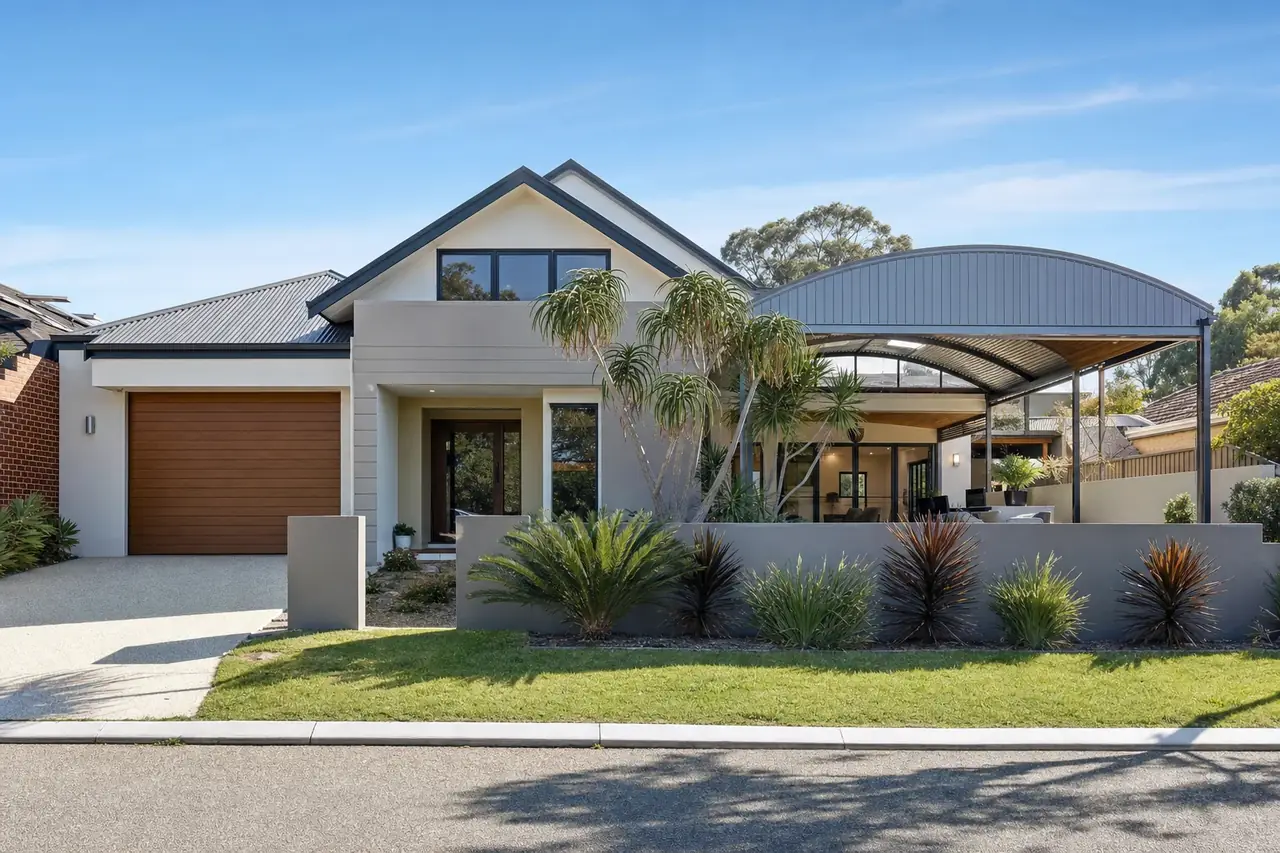
Engineered, certified, and council-approved before a single post goes in. That is what every Dome Patios Perth build looks like.
What happens if a patio is built without approval?
An unapproved patio is an illegal structure under the Building Act 2011. The consequences range from a council requirement to pull it down to complications at the time of selling the property. Insurance claims related to damage to or caused by an unapproved structure can also be affected.
If you have an existing patio that was built without approval, it is possible to apply for retrospective approval in some circumstances, but there is no guarantee of success. Starting with approval is far simpler.
End to end
Council approval process handled for you
Certified
Engineer-certified plans for your site
Included
Council documentation prepared and lodged by us

Lifetime
Workmanship guarantee on every build